Charmeuse is a light weight, satin woven fabric, with a satin finish on the front and a dull finish on the back. It is typically made of silk, but can be made with synthetic fibers like polyester. Silk-Charmeuse is expensive, very delicate, soft and a better insulator. Where as Polyester-Charmeuse, is cheaper, machine washable and doesn't breathe well. So I think the choice of which you would choose to make clothing is already made for you.
Uses for women's wear would be lingerie, evening gowns, blouses etc., and men's wear would be pieces more like jackets and slacks, handkerchiefs, ties and boxer shorts. Charmeuse does not work well for tailored sewing as it does not hold its shape well, but it is great for flowing dresses. However, the wedding dress I recently made with this fabric worked well as an over-lay, which I then tailored.
This fabric is very challenging and is not recommended for beginners, because it is extremely slippery and tends to move around a lot through the presser foot of a sewing machine. At the seams, Charmeuse puckers and pulls but I found finer thread minimizes this. Some other challenges I went through while working with the sheer Charmeuse fabric were the pins would leave holes and marks where the fabric was pinned. Recently, I found out that a sizing product can be sprayed on before cutting and can be washed when the garment is complete. At the end of the day, my client was very pleased with the finished dress, and that makes all the little frustrations of working with this fabric worth it.
A few years ago I made my sister's wedding dress with Charmeuse and it was very easy to work with, as it was much thicker then the sheer of its kind. I had no problems with it then, but it was also a completely different structure and draped very nicely, my sister was incredibly happy with the outcome and so was I. Overall I would say the look and feel of this fabric is amazing!
My Sisters A-Line, Empire Waist Wedding Gown
photograph taken by Lee Sperduti
My Clients 2 in 1 Wedding Dress
Velour is a plush knitted fabric or textile. It is made from cotton mainly, but can also be made from synthetic fibers, like polyester. Combining stretchy knit properties like spandex creating an appearance and feel of velvet. Velour has a wide variety of uses in the clothing and upholstery businesses. Very popular for warm and casual clothing, as well as car upholstery and theater drapes or stage curtains. Velour is a great substitute velvet because it is inexpensive and feels very similar.
Working with velour can be challenging, due to it being plush and slippery, seams pucker easily when machine sewing this fabric or so I have read. I have yet to use velour, but from what I can see as long as you take certain steps, it makes it much easier to work with. Here is an eHow on 'How to Sew Velour' This fabric, I think, is amazing because it is so diverse and is used for so many different products in many types of markets, automotive, theater, sports wear etc. Making this fabric and textile a great pick!
Car Seats
Blue Bathrobe
Black Dress
Black Studded Shoes
Blue Purse
Black Clutch
Wedding Day Track Suit
Little Girls Black Dress
Vintage Curtains
Red Floor Length Dress
Cashmere is a fiber from several types of goats. It is fine in texture, strong, light, soft and is an excellent insulation. Chasmere goats produce double fleece which consist of a fine and soft undercoat or under down of hair mixed with a straighter, much coarser outer coating called 'guard hair'. In order for the fine undercoat to be sold it must be de-haired, which is a mechanical process that separates the coarse hairs from the fine undercoat. De-hairing results in "Cashmere" and is then ready to be dyed and converted into textile yarn, fabrics and garments. India is the largest producer of raw cashmere, an estimated 10 000 metric tons per year of hair. The Pashmina, a very popular cashmere shawl, was first invented in India and the Pashmina goal is a special breed that resides in high altitudes of the Himalayas in Nepal, Pakistan and Northern India.
I decided to keep going with my wool theme starting with 'Tartan' and finishing with 'Cashmere', wool is an amazing textile that is so diverse. This fabric is fantastic, so soft and beautiful, if you don't own a Pashmina, you should! Cashmere can be pricey, but it seems to last quite a while and can be used as a excellent staple piece for your wardrobe. Now I have yet to work with cashmere, however I have done some research and found that it is a wonderful fabric to create with, as long as you take care during the process. Jackets, Sweaters and Scarves seem to be the most sewn with this fabric since it is a great insulator why not right? I think I will use cashmere in my work to make a coat with an amazing lining, something very chic and eye catching.
Cashmere purse
Black Cashmere Shoe
Long V-Neck Tunic
Stephane Rolland Dress
Square Tulip Dress
Cashmere Coat
On Saturday, August 24, I worked with Maissa Jessup of ' Ruffles & Twine: Floral Designs & Vintage Rentals '. I helped her to set up for a reception at Liuna Gardens, for a wedding she and her partner designed flowers for.
Starting with the front entrance where Marissa decorated the mantel with wonderful pictures of the Bride and Groom and added some 'Rustic Cottage' themed arrangements. Moving into the 'Ballroom' where Marissa set up the front table beautifully, as well as the bar, placed advice cards on the tables and added many other touches through out the room. In the 'Ballroom' I set up the seating plan, center pieces with the menus and placed several of the favours on the table settings. Everything went amazing with the theme and was put together perfectly, we were so pleased with the results of the day. Congratulations Sarah & Ryan!

Wool comes from several types of animals; sheep(wool), goats(cashmere/mohair), oxen(qiviut), rabbits(angora) and many kinds of camels(alpaca,lama etc). It grows in clusters and has a crimped texture which makes it easier to spin the fleece because the fibres attach to each other like velcro. The crimp in the wool gives it a greater bulk than other textiles so it insulates well, retaining heat. The oldest known European wool textile was 1500 B.C. found preserved in a Danish Bog. Wool has an enormous history behind it and much more in front of it as we will continue to use and infuse wool into many fabrics for many, many more years to come.
This fabric/textile is incredible, wool can be used for so many different things. I have a wool blanket my grandmother made and its lasted for many years. Wool is fantastic for lasting, with the consideration of the person who made the blanket, jacket, etc. It can keep you warm on those cold winter nights, getting cozy next to a fire with some wool socks, a sweater, and a blanket can be all you need for those chilly nights, well maybe a hot chocolate too. I think its amazing that it comes from so many different types of animals and each one feels completely different on your skin. My friend bought some alpaca socks which she found warm and soft but to me they were itchy and hot on my skin, I found it interesting that we felt the same type of wool and yet it felt so different to each of us. Yet, I still love wool and all it is used for, which makes it a wonderful fabric to use!
Felt is a non-woven textile that is produced by matting, condensing and pressing fibres together. Felt can be made of natural fibres such as wool or synthetic fibres such as acrylic. There are many different types of felts for industrial, technical, designer and craft applications. While some types of felt are very soft, some are tough enough to form construction materials. Felt can vary in terms of fiber content, colour, size, thickness, density and more factors depending on the use of the felt.
Although felt seems to be used more in arts and crafts projects there are a few clothing lines out there that do you felt as their main fabric source. Used for costumes, hats mainly and is very environmentally friendly, which is awesome for those who are very green oriented. I found a clothing line in Hauwert, which is a Dutch province of North Holland, by 'Anneke Copier', she does have a website but it is in Dutch and you can translate it to English, take a look at her work because it is fabulous http://www.annekecopier.nl/pagina2.html. I also found that Alexander McQueen has felt infused clothing (bottom right corner), which is amazing because I love his work and that of those who have created for him since he passed. Who would have known that felt could be so diverse, I think felt is an amazing fabric and maybe one day I will use it for clothing myself.
A Mini Wedding Dress
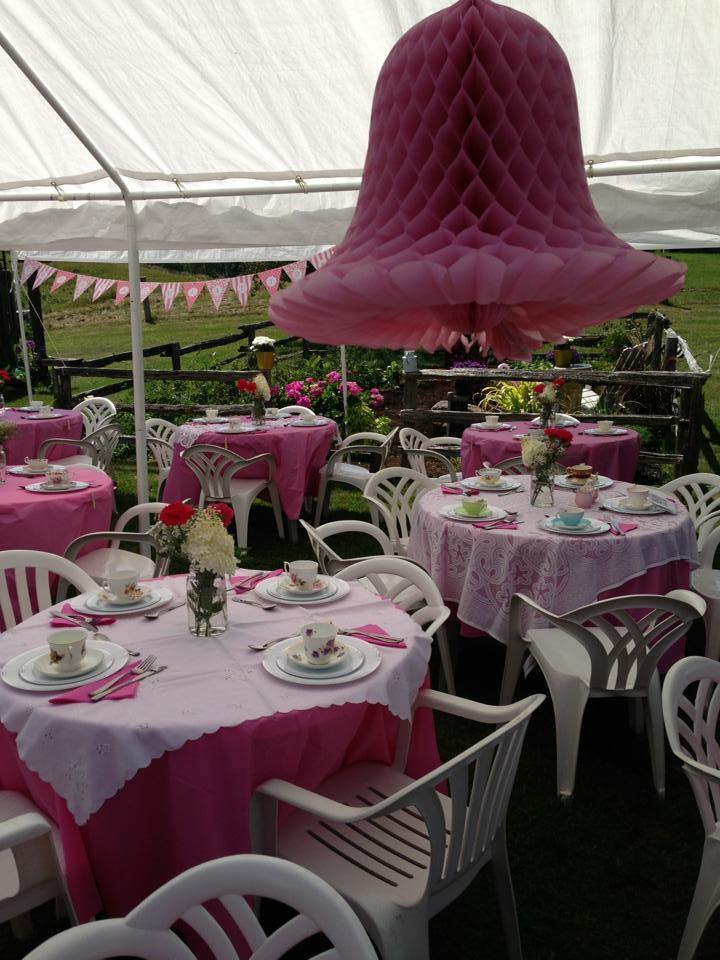
The bride in which I am making the wedding dress for had a 'High Tea' bridal shower with big sun hats and amazingly creative facinators. There were loads of great games and an awesome craft project as well, that I could not wait to sink some pins into. This was a great shower, Congrats Mike & Meghan!!
All photos are taken by 'Adventure Studios' - Michelle Gerovac


This final picture was taken on my phone as it was the Mini Wedding Dress I created and was bedazzled by my friend Lisa Fanous.